


Royal Oak Relocation Guide: Everything Before the Move
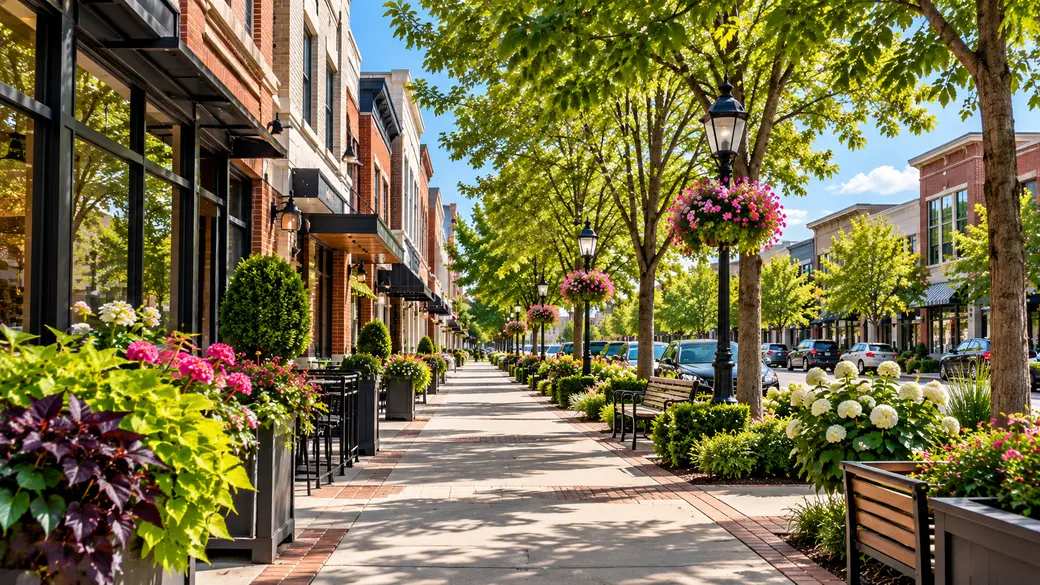
Royal Oak relocation guide planning starts with a practical benchmark: reported home sales have a median of $360,400, and the city pairs an active downtown with established residential streets. Before moving, focus on the budget beyond the purchase price, the type of home that fits your routine, school and commute logistics, and winter preparation. Royal Oak, a city in Oakland County, can suit households seeking close-in suburban living with access to healthcare, professional services, dining, parks, and regional employment.
Royal Oak Relocation Guide: Quick Reference
Royal Oak offers a close-in suburban lifestyle with a walkable downtown, established housing, and broad access to regional employers. The figures below describe Royal Oak, MI, and come from reported sales data and the U.S. Census Bureau.
Median reported sale price: $360,400. Reported sales range from $75,000 to $3.75 million, illustrating how much condition, location, size, and renovation level can affect a home search. The reported sales figures are from ATTOM Data, as of July 2026.
Median household income: $101,109 per year, based on the U.S. Census Bureau's 2020-2024 American Community Survey (ACS) 5-year estimates. This is a community-level reference point, not a personalized affordability calculation, but it provides useful context for household earnings in the city.
Median owner-occupied home value: $328,700 in the 2020-2024 ACS estimates, with roughly 68% of homes owner-occupied. Owner-reported values tend to trail recent sale prices, which is one reason the reported sale median runs higher.
Population: 57,950 residents in the 2020-2024 ACS estimates (58,211 in the 2020 Census). That scale supports a compact downtown district while leaving much of the city residential in character.
Average commute: Mean travel time to work was 23.8 minutes in the 2020-2024 ACS estimates. Actual commutes vary considerably by workplace, schedule, and route.
Biggest relocation draw: Lifestyle and employment access are the clearest draws. Royal Oak combines downtown restaurants, entertainment, parks, healthcare employment, schools, and professional services in a close-in suburban setting.
Royal Oak Relocation Guide: By the Numbers
Royal Oak's reported sale activity spans a broad range, while household and housing indicators reinforce the need for a full monthly budget rather than a purchase-price-only plan.
| Metric | Figure and reference period |
|---|---|
| Median reported sale price | $360,400 (as of July 2026) |
| June 2026 median sale price | $371,000 |
| Median owner-occupied home value | $328,700 (2020-2024 ACS) |
| Median household income | $101,109 (2020-2024 ACS) |
| Owner-occupied share of homes | About 68% (2020-2024 ACS) |
| Population | 57,950 (2020-2024 ACS) |
| Mean commute to work | 23.8 minutes (2020-2024 ACS) |
Reported sale figures are from ATTOM Data, as of July 2026. Income, home value, population, and commute figures are U.S. Census Bureau ACS 5-year estimates for the city of Royal Oak.
Why People Are Moving to Royal Oak
Royal Oak attracts relocators because it combines an active downtown, established homes, and access to major regional employment centers. For move-up households, that can mean choosing between a larger home on a quieter block and a more walkable routine near restaurants, services, and entertainment.
Healthcare is a major local anchor. Corewell Health and Henry Ford Health are among the city's largest employers, and Corewell Health William Beaumont University Hospital gives Royal Oak a substantial healthcare presence. That can be particularly relevant for nurses, physicians, and other healthcare professionals, as well as households coordinating two different work locations.
The local employment mix also includes education, professional services, technology, utilities, finance, retail, and hospitality. Royal Oak Schools, Consumers Energy, Dassault Systèmes, and the Detroit Zoo all have a presence in the city, which adds depth beyond the healthcare sector.
Lifestyle remains an equally important part of the decision. Downtown Royal Oak offers restaurants, events, shops, and entertainment within a compact area, while nearby residential streets offer a more traditional suburban routine. When you are deciding how much walkability, lot size, and downtown activity you want, spending time on a few different blocks will tell you more than any listing description.
Cost of Living in Royal Oak
Housing is the biggest variable in Royal Oak's cost picture. The reported sale median of $360,400 sits above the Census Bureau's median owner-occupied home value of $328,700, which reflects how much recent sales are influenced by renovated homes and stronger locations.
| Cost factor | Royal Oak figure or consideration |
|---|---|
| Median reported sale price | $360,400 (as of July 2026) |
| Median owner-occupied home value | $328,700 (2020-2024 ACS) |
| Median household income | $101,109 (2020-2024 ACS) |
| Property taxes | Based on taxable value and local millages; taxable value resets after a sale |
| Home age | Much of the housing stock dates to the mid-1900s, so maintenance reserves matter |
For a move-up buyer, the practical comparison includes home age, renovation needs, taxable value after purchase, commute patterns, maintenance expectations, and the kind of daily routine each part of the city supports. Running a few payment scenarios through a mortgage payment calculator with realistic tax and insurance estimates is a useful first step before touring.
Housing Market Overview
Royal Oak's housing market is defined by established homes, varied conditions, and meaningful block-by-block differences. Reported sales range from $75,000 to $3.75 million, with a $360,400 median, so relocators should expect substantial variation among smaller homes, renovated move-up properties, condominiums, and higher-end residences.
Single-family homes form much of the traditional housing stock, and many were built in the mid-20th century. That means many searches involve older homes with different levels of renovation, mechanical updates, drainage work, and exterior maintenance. Condominiums can offer a lower-maintenance option, particularly near downtown and major corridors. Townhome-style homes may appeal to households that want newer layouts and less exterior upkeep.
Inventory and marketing time can shift with season, condition, and price point. Rather than relying on a blanket market label, buyers should focus on the supply of homes that meet their location, space, and maintenance priorities. Well-prepared homes near downtown, parks, schools, and major routes can draw attention quickly, while properties needing significant updates may create more time for comparison. Recent price and inventory movement is easy to follow through a local market snapshot.
For rental property investors, the city's high owner-occupancy rate and steady healthcare employment shape demand. Before buying, confirm any city registration or inspection requirements for rentals, and build vacancy, turnover, and older-home maintenance into your projections.
A realistic move budget should account for the connection between price, location, renovation scope, utility costs, and long-term maintenance.
Neighborhoods and Communities in Royal Oak
Royal Oak neighborhoods differ most in walkability, housing style, lot size, road access, and proximity to downtown amenities. Visiting prospective blocks at different times of day can reveal traffic patterns, parking conditions, outdoor activity, and the daily rhythm that listing details cannot show.
Downtown and central Royal Oak suit buyers who value restaurants, entertainment, coffee shops, and community events nearby. Housing includes condominiums, apartments, townhome-style residences, and older single-family homes on nearby blocks. Reported home sales across the city range from $75,000 to $3.75 million, so property type and condition matter more than a single neighborhood-wide figure.
North Royal Oak offers established streets, mature landscaping, and predominantly single-family homes. It can appeal to move-up buyers seeking a quieter home base while remaining connected to downtown, parks, and regional routes. Renovation level, lot characteristics, and exact location drive pricing.
Woodward corridor areas can fit residents who prioritize regional access, healthcare employment, retail, and transit connections. Housing choices may include older homes, renovated properties, and multifamily options. Road noise, parking, and access should be considered alongside interior square footage.
South Royal Oak can work for households that want close access to downtown activity and commuter routes. Its mix of classic homes and evolving residential options makes block-level comparison especially useful.
Browsing homes across Royal Oak can help illustrate the range of housing styles available across these settings.
Jobs and Economy
Royal Oak's economy is anchored by healthcare, education, professional services, technology, retail, hospitality, and public-sector work. Corewell Health and Henry Ford Health are the city's healthcare anchors, and other employers with a local presence include Royal Oak Schools, Consumers Energy, Dassault Systèmes, the Detroit Zoo, and the City of Royal Oak.
Healthcare and life sciences are a central part of the employment base, supported by Corewell Health William Beaumont University Hospital and related medical services. Healthcare professionals often weigh shift schedules alongside location, so living within a short drive of the hospital campus can make early starts and overnight rotations easier to manage. The broader mix of education, professional services, manufacturing, retail, finance, and administration can matter for relocating households with different schedules, careers, or workplace locations.
Median household income in Royal Oak is $101,109, based on 2020-2024 ACS estimates.
For remote and hybrid workers, downtown services, regional road access, and a manageable commute can be as important as proximity to a single employer.
Schools and Education
Royal Oak offers public and private education options across elementary, middle, and high school levels. Royal Oak Schools serves most of the city, but school attendance boundaries, transportation, enrollment procedures, and program availability should be confirmed for the specific address under consideration.
Private choices in the city include St. Mary Catholic School, St. Paul Lutheran School, and the Shrine Catholic Schools, which include Shrine Catholic Grade School, Shrine Academy, and Shrine Catholic High School. Families should compare school-specific programs, class sizes, transportation, extracurricular activities, and address eligibility before making a housing decision.
For military families on PCS orders, mid-year enrollment timing and records transfers are worth raising with the school early, since moving dates do not always line up with the academic calendar.
The broader region also provides access to many higher-education institutions, although major campuses are outside the city itself.
Climate and Lifestyle
Royal Oak has four distinct seasons, with warm summers, cold winters, and precipitation throughout the year. July highs typically average in the low 80s, while January highs hover around freezing and overnight lows often fall into the upper teens. Annual precipitation runs roughly 33 to 34 inches, and snowfall estimates for the area commonly fall in the range of about 30 to 40 inches per year, depending on the source and the winter.
Summer supports patio dining, downtown events, neighborhood walks, and visits to the Detroit Zoo. Centennial Commons provides a downtown gathering space, while Memorial Park, Tenhave Woods, and Cummingston Park offer additional options for recreation, walks, and time outdoors.
Winter is the biggest lifestyle adjustment for many relocators. Plan for snow removal, cold-weather clothing, seasonal vehicle care, and storage for outdoor equipment. Homes with longer driveways, older roofs, mature trees, or complex drainage patterns may require additional maintenance planning.
Strong summer storms with wind and hail are part of the regional weather pattern, which makes roof condition, drainage, exterior materials, and insurance coverage worthwhile considerations when comparing homes.
What to Budget Beyond the Purchase Price
Property taxes: Michigan property taxes are based on taxable value, and a home's taxable value uncaps in the year after it sells, so your bill may be higher than the seller's. Owner-occupants should file for the principal residence exemption, which removes a portion of school operating millage. Veterans with a 100% service-connected disability rating may qualify for Michigan's disabled veterans property tax exemption on their homestead.
Homeowner's insurance: Premiums vary with home age, roof condition, deductible, coverage limits, and weather exposure. Wind and hail considerations can affect the coverage discussion.
Financing costs: VA loan buyers can often purchase with no down payment, but the VA funding fee, appraisal requirements, and closing costs still belong in the plan unless an exemption applies. Conventional buyers should budget for mortgage insurance if putting down less than 20%.
Utilities: Include seasonal heating, cooling, water, internet, and electric costs in the monthly plan. Older homes with original windows or limited insulation can see noticeably higher winter heating bills.
Maintenance: Much of Royal Oak's housing was built in the mid-20th century. Older homes may require a reserve for mechanical systems, windows, drainage, exterior work, landscaping, and snow equipment.
Moving and setup costs: Movers, utility activation, storage, furnishings, window coverings, and seasonal tools can add up quickly, especially when moving into a larger home.
Selling Before You Move
If you already own a home and plan to upgrade or relocate, the order of operations matters. Knowing your likely sale price early helps you set a realistic purchase budget, decide whether a contingent offer makes sense, and plan bridge timing if the two closings will not line up. A current home value estimate is a practical starting point, followed by a walkthrough to identify which updates are worth making before listing.
Royal Oak Relocation Decision Framework
Royal Oak offers a more urban-suburban lifestyle mix than many suburban settings, with tradeoffs involving home size, walkability, housing cost, and daily access to downtown amenities.
| Factor | What Royal Oak offers | What to weigh |
|---|---|---|
| Home prices | $360,400 reported sale median (July 2026) | Condition and block location drive wide price swings |
| Household income context | $101,109 median (2020-2024 ACS) | Full monthly cost, not just purchase price |
| School research | Public and private options | Address-level review is essential |
| Commute | 23.8-minute mean commute (2020-2024 ACS) | Test your route at your actual work hours |
| Climate | Four seasons, snowy winters, summer storms | Roof, drainage, and insurance coverage |
| Lifestyle fit | Walkable downtown and established blocks | How much walkability versus lot size you want |
The strongest fit depends on how you prioritize home size, outdoor space, maintenance, walkability, commute needs, and access to amenities after the move.
Frequently Asked Questions About Moving to Royal Oak
Is Royal Oak a good place to live?
Royal Oak can be a strong fit for households seeking established neighborhoods, a walkable downtown, and access to regional employers. The city has about 57,950 residents, according to 2020-2024 Census Bureau estimates, and its employment base includes healthcare, schools, professional services, retail, and hospitality. Fit ultimately depends on your priorities for lot size, home age, commute, and daily activity.
How affordable is housing in Royal Oak?
Housing costs in Royal Oak vary widely by condition and location, with a reported sale median of $360,400 and sales ranging from $75,000 to $3.75 million as of July 2026. The median household income is $101,109, based on 2020-2024 ACS estimates. Buyers should compare taxes, renovation needs, utilities, and maintenance alongside the initial price.
What are the job prospects in Royal Oak?
Royal Oak has a diversified employment base led by healthcare and life sciences, with additional opportunities in education, professional services, technology, retail, and hospitality. Corewell Health and Henry Ford Health are major healthcare employers, and Corewell Health William Beaumont University Hospital is a significant local anchor. Royal Oak Schools, Consumers Energy, and Dassault Systèmes also have a presence in the city.
What should I know about schools in Royal Oak before moving?
Start school research with the address you are considering because boundaries and program availability can change the available options. Royal Oak Schools serves most of the city, and private options include St. Mary Catholic School, St. Paul Lutheran School, and the Shrine Catholic Schools. Compare school-specific programs, transportation, and enrollment timing before committing to a home.
What are the biggest costs to budget for when relocating to Royal Oak?
A complete Royal Oak move budget includes property taxes, insurance, utilities, moving services, furnishings, and maintenance. Michigan taxable value uncaps after a sale, so your property tax bill can be higher than the previous owner's. Older housing and snowy winters can also require planned spending for repairs, upgrades, drainage, and seasonal upkeep.
Ready to Make Your Move to Royal Oak?
A successful Royal Oak move comes down to comparing the full ownership budget with the daily routine you want after arriving. Evaluate housing condition, maintenance needs, commute patterns, school logistics, outdoor space, and walkability together rather than treating any one factor as decisive.
Whether you are relocating for a new role, moving up to more space, or selling first and buying second, it helps to compare specific homes and streets against your real budget and schedule. Danny Dedic and Dedicated Realty Group work from an office on S. Washington Ave. in Royal Oak and can walk you through current options, timing, and costs. Call (586) 855-6672 or email info@dedicatedrealtygroup.com

"My job is to find and attract mastery-based agents to the office, protect the culture, and make sure everyone is happy! "